
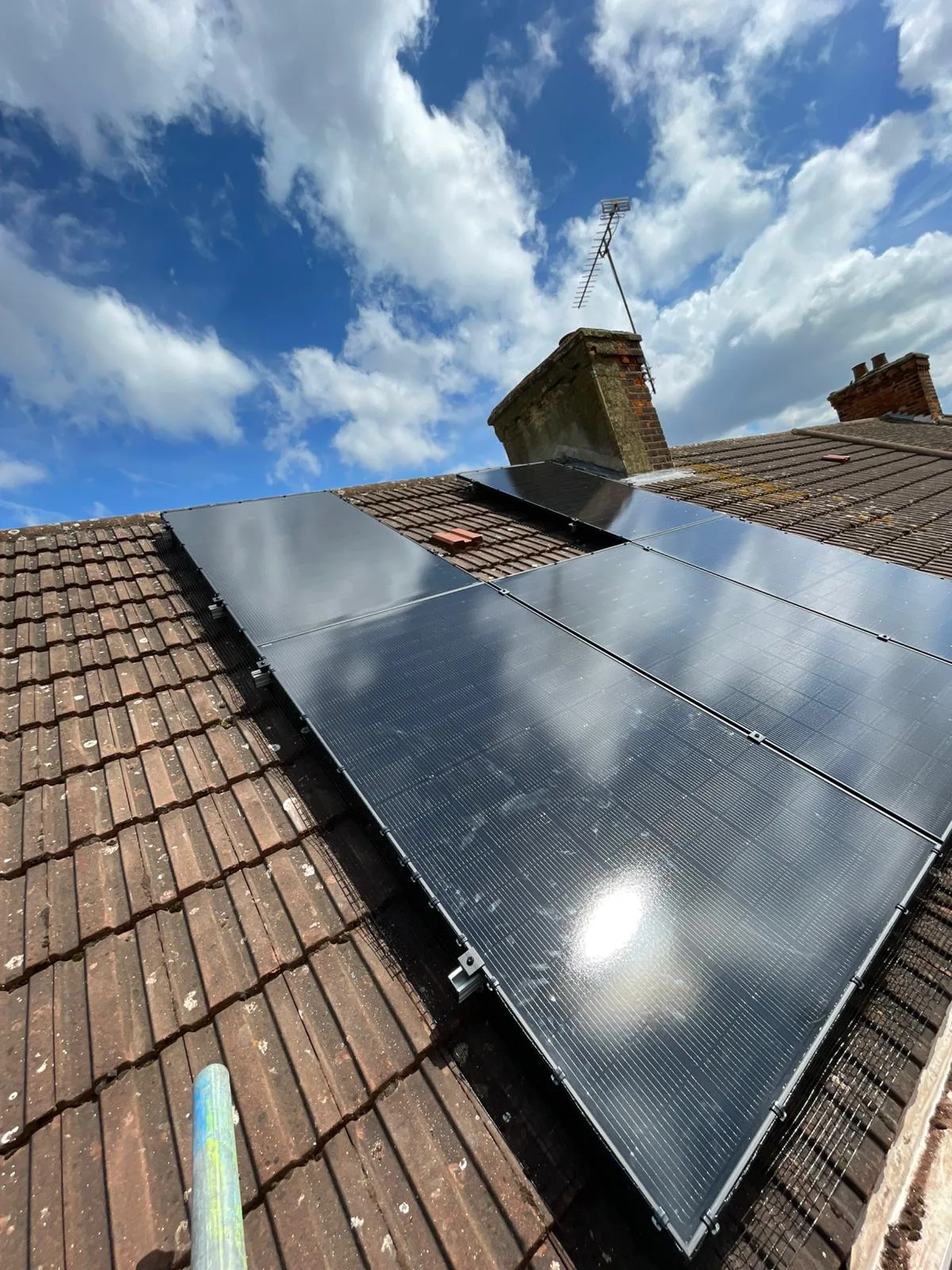
The Smart Export Guarantee (SEG) is how small-scale generators get paid for electricity they export to the grid rather than use themselves. If you have solar panels, and export more than you use at certain times of day, SEG is the mechanism that turns that surplus into an income rather than electricity given away for nothing. This article covers who qualifies, what paperwork and meters you need, how payments are worked out, and what a REST UK installation includes to make the process straightforward.
How the Smart Export Guarantee works
The SEG is a government-backed scheme administered by Ofgem. It requires some energy suppliers to offer an export tariff paying customers for exported low-carbon electricity, though Ofgem itself does not set the price: participating suppliers publish their own SEG tariffs and terms. You receive payments for measured exports once your chosen supplier has an active SEG arrangement for your property. This is the central route available now that the older Feed-in Tariff has closed.
Official guidance and the current supplier list are published by Ofgem and updated each SEG year, which runs from 1 April to 31 March. REST checks the Ofgem supplier list and guidance during customer onboarding, so we know which suppliers are offering SEG tariffs at the time of installation. (ofgem.gov.uk)
Do you qualify for SEG payments?
Most domestic and small commercial solar PV systems can qualify, but there are three practical requirements to meet:
Recognised certification. Evidence the installer has completed the work to a recognised standard, typically MCS certification or equivalent sign-off, is required for SEG registration. (ofgem.gov.uk)
A meter that can measure export. SEG needs half-hourly or appropriately metered export data so suppliers can calculate payments. If your smart meter is already export-capable, suppliers can usually use that data directly; if not, a dedicated export meter or a meter upgrade may be needed. (assets.publishing.service.gov.uk)
Registration with a SEG supplier. Your energy supplier needs to offer a SEG tariff and be a registered SEG licensee with Ofgem before payments can start. (ofgem.gov.uk)
How payments are calculated and what to expect
SEG tariffs vary by supplier and are normally expressed as pence per kilowatt hour for exported electricity, since Ofgem does not fix a single national export price. Some suppliers offer a fixed rate for a set term, while others track wholesale electricity prices and move up and down through the year; a fixed rate is easier to predict, while a variable rate can pay more when wholesale prices spike. As a result, SEG payments can differ between suppliers and change over time, so it is worth reading the supplier's tariff terms and confirming how they handle backdating or ongoing measurement before you sign up. (ofgem.gov.uk)
Practical tips to make the most of SEG payments
You are not tied to your electricity supplier for your export tariff: it is worth comparing SEG offers from other suppliers periodically, since rates and terms change and the best export tariff is not always with the company that supplies your power.
Check whether the tariff is fixed-term or rolling, and what notice period applies if you want to switch: this affects how easily you can move if a better rate appears later.
Keep your commissioning paperwork and meter details somewhere easy to find. You are likely to need them again if you switch SEG suppliers or extend your system in future.
How REST UK sets this up for you
As an MCS-certified, HIES-protected installer rated 4.3/5 ("Great") on Trustpilot from more than 721 reviews, REST UK builds SEG registration into every solar handover. In practice that means issuing MCS-compliant commissioning paperwork and any DNO correspondence needed for export registration, checking whether your meter can already measure export or needs upgrading, and liaising with your chosen supplier to confirm what they need and when your tariff can start. If you are weighing up battery storage, it is worth knowing that a battery changes the pattern and timing of what you export, which in turn affects SEG income; our home battery storage page and complete energy package page cover how panels, batteries and chargers work together.
To start, request a survey or get a free quote and we will walk through the paperwork and meter steps relevant to your property. For customers considering finance, our flexible solar finance team can discuss 0% and spread-payment options; exact terms are confirmed by our finance team rather than guaranteed here.