
Usable roof space
Terrace widths, mansion-block layouts, dormers, valleys and chimney stacks all shape where panels can safely sit on a London roof.
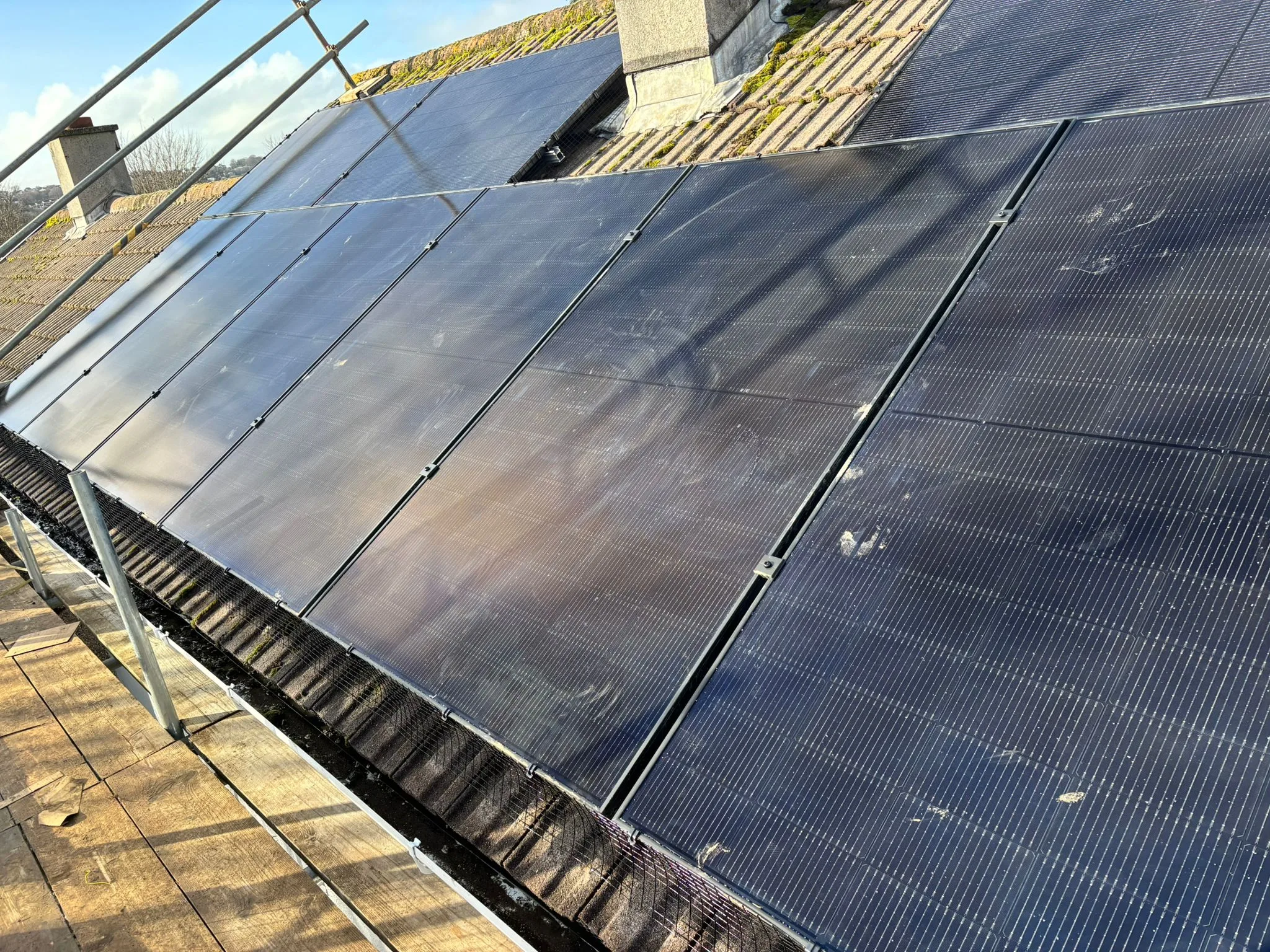
Solar panels London
REST designs residential solar around London roof space, shade, access, electricity use and future plans rather than applying a standard package.
A London-specific solar design
London properties range from compact terraces and mansion blocks to suburban detached homes. Chimneys, dormers, neighbouring buildings, mature trees, shared ownership and restricted access can all affect the practical design.
Dense streets, varied rooflines and leasehold arrangements make a property-specific survey especially important. REST combines those local considerations with electricity use, tariff, battery interest and future plans before the equipment is specified.
Reviewed by the REST UK solar design team. Final generation, savings, equipment and installation scope depend on the completed survey, electricity usage, tariff, roof condition and approved design.
What REST checks first
A useful proposal needs more than a postcode and an estimated panel count.
Terrace widths, mansion-block layouts, dormers, valleys and chimney stacks all shape where panels can safely sit on a London roof.
Dense streets mean a neighbouring building or chimney can shade one roof completely while leaving the next one clear.
Scaffolding, parking restrictions, shared driveways and terraced access all need planning before work can start.
Hybrid working, EV charging and evening demand in a typical London household shape the recommended system size.
Freeholder consent, leasehold status and conservation-area rules are checked before any equipment is specified.
Solar for different London homes
The same package should not be copied from one roof to another.
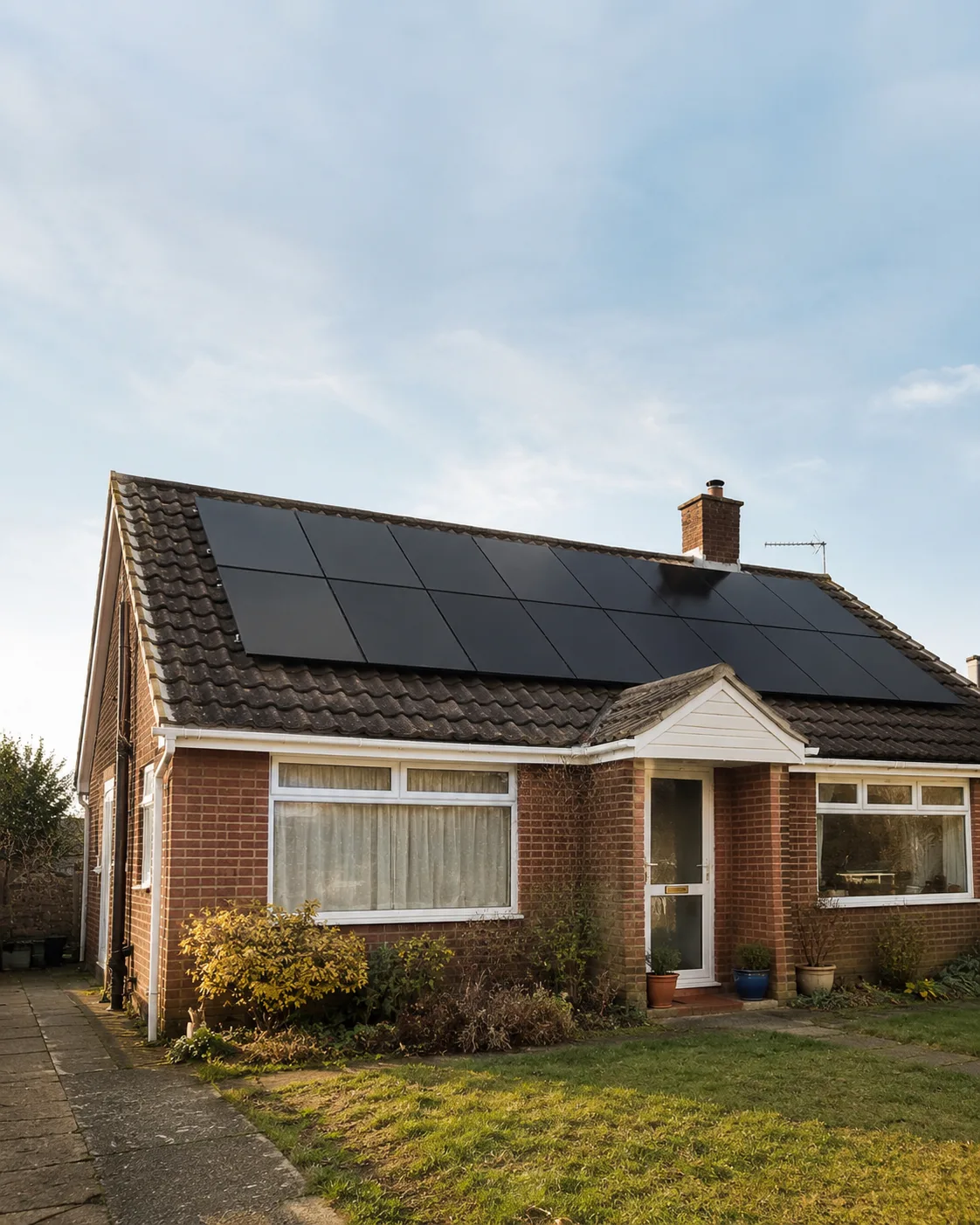
Chimney positions, dormers and shared roof lines all affect how much of a London terrace roof is actually usable.
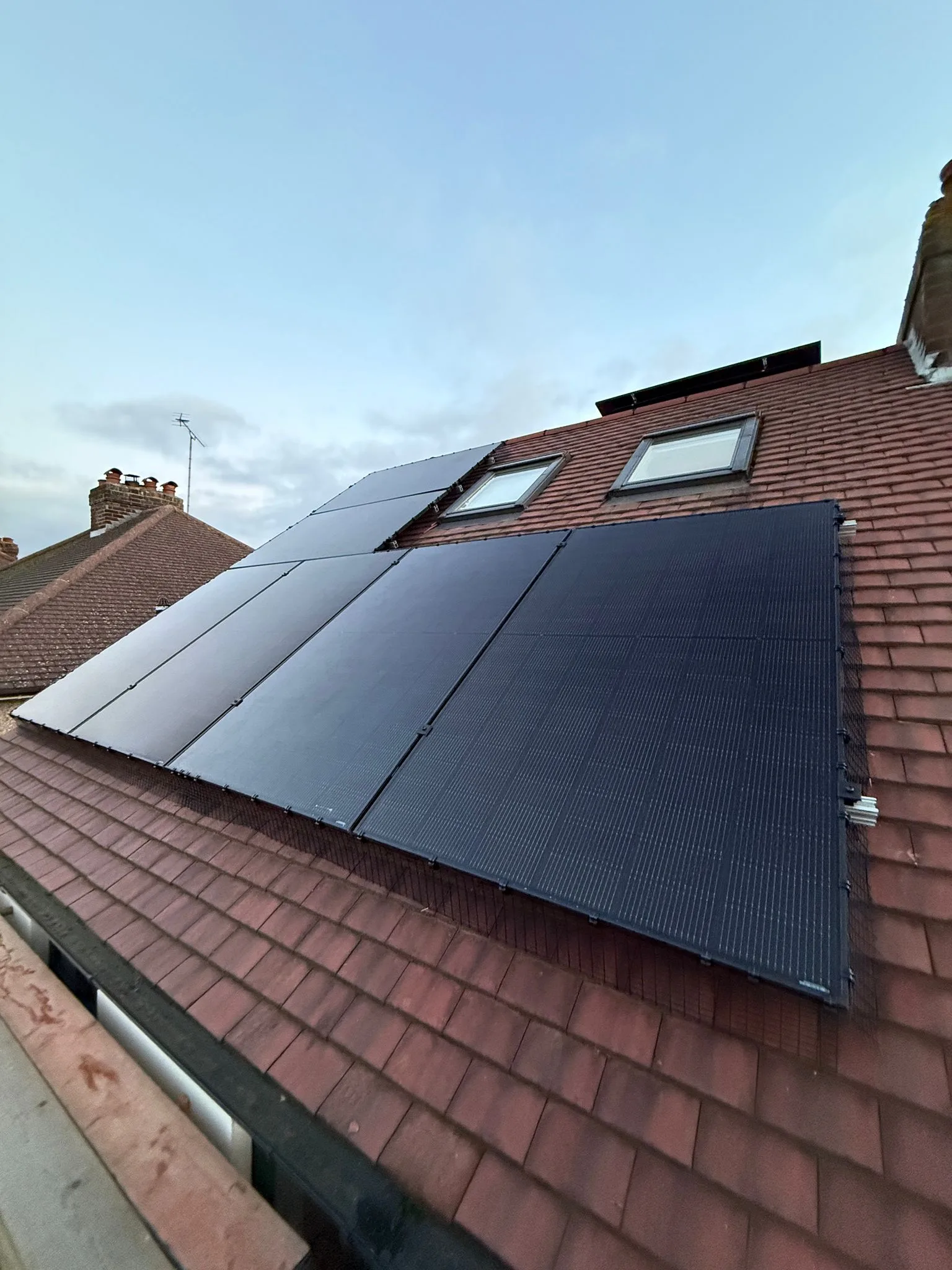
Larger outer-London roofs create more room for east-west arrays, battery storage and future EV charging.
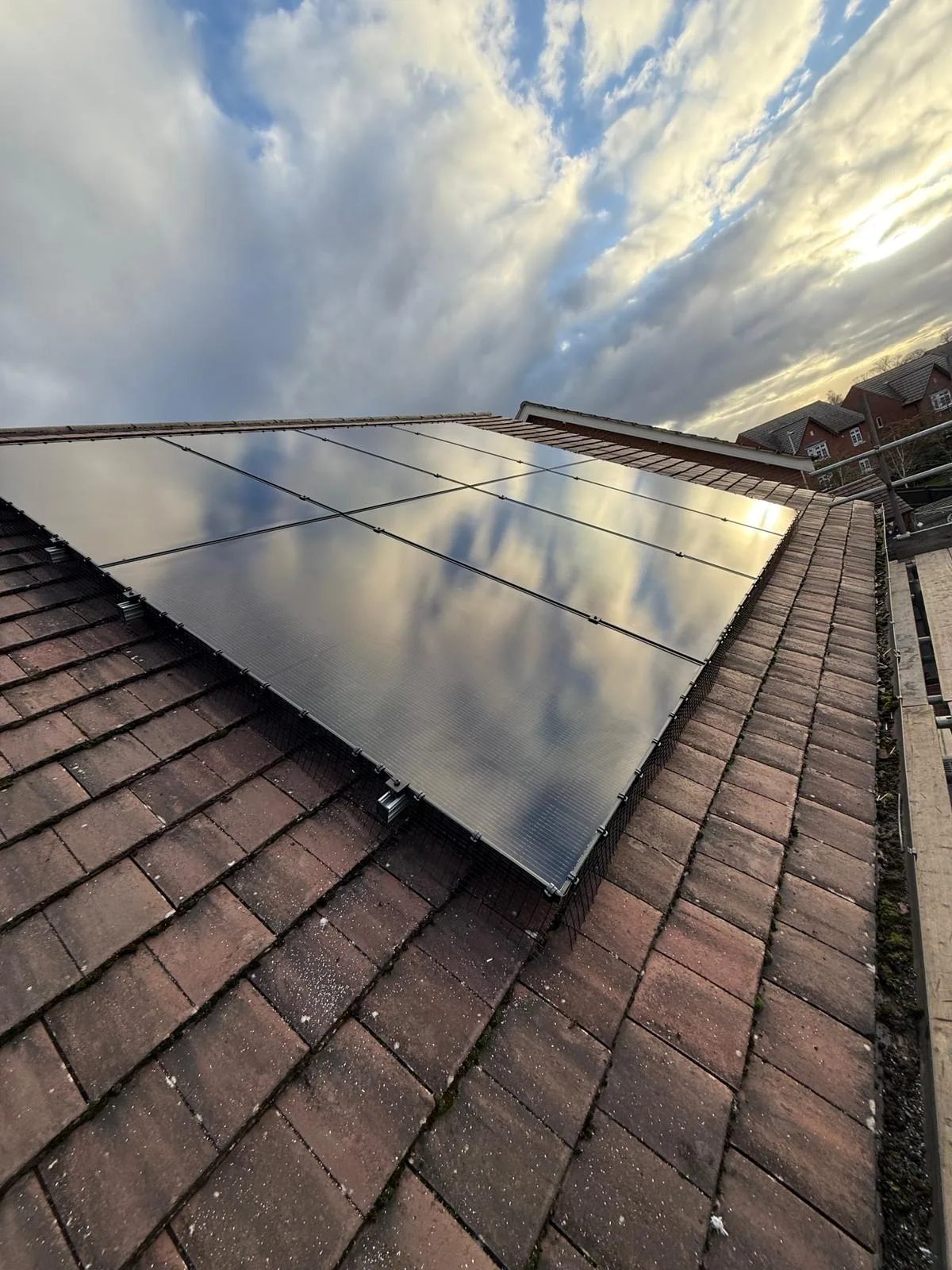
Roof ownership, freeholder consent and who benefits from the generation need to be clear before anything is designed.
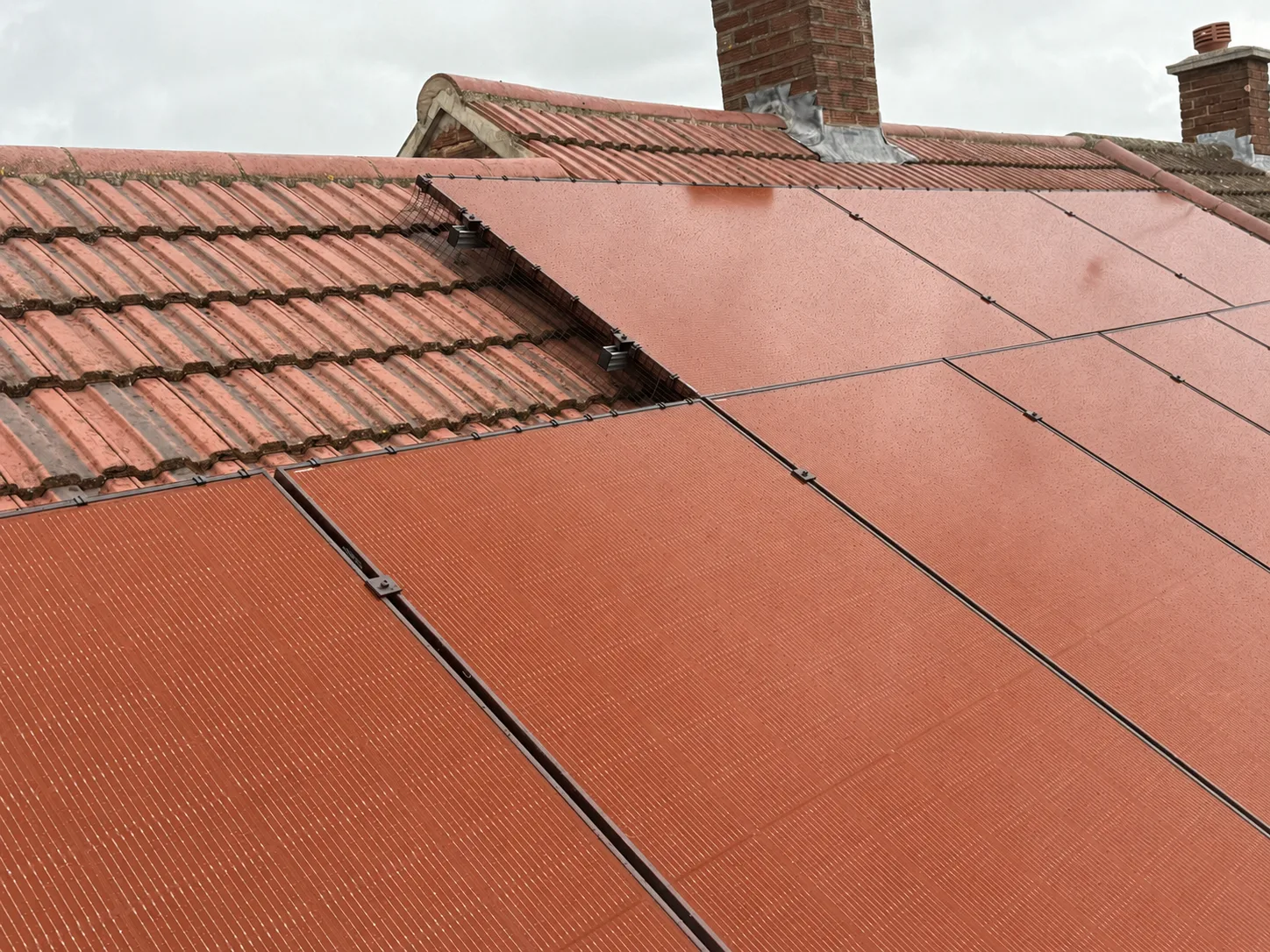
Listed status, conservation guidance and roof visibility often matter as much as available space in inner London.
Solar and battery storage in London
A compatible home battery can retain spare solar generation for the evening and may support time-of-use tariffs. The useful capacity depends on realistic generation, household demand, tariff and future plans.
From postcode to installation
REST starts with the London postcode and what the household wants the system to achieve.
Terrace width, mansion-block layout, dormers, chimneys and neighbouring shade are reviewed alongside daily electricity use.
The proposal sets out the array, inverter, optional battery, freeholder/leasehold assumptions and protection.
Scaffolding, parking restrictions and shared access are planned before the system is fitted, tested and commissioned.
REST can support monitoring, warranties, health checks and optional aftercare once the system is live.
Greater London coverage
REST reviews residential projects throughout the area, subject to survey requirements, access and installation availability.
Check your propertyWestminster, Kensington and Chelsea, Hammersmith and Fulham, Ealing, Hounslow, Brent, Harrow and Hillingdon.
Barnet, Camden, Enfield, Haringey, Islington, Hackney and Waltham Forest.
Newham, Tower Hamlets, Redbridge, Barking and Dagenham, Havering and Greenwich.
Southwark, Lambeth, Lewisham, Bromley, Croydon, Sutton, Merton, Wandsworth, Richmond, Kingston and Bexley.
Planning and property checks
Understand the roof before committing to the installation.Planning and property checks in London
Conservation areas, listed buildings, roof visibility and freeholder approval are common London checks. Many installations may fall within permitted development rules, but the property and local restrictions still need reviewing.
REST can identify the questions that need answering, but the local planning authority remains the correct source for a formal planning decision.
Read the official Planning Portal guidanceSolar panels London: questions answered
Common questions about roof suitability, planning, batteries and how REST prepares a property-specific proposal.
No. East, west and split-roof layouts can also work well when the design reflects when the household uses electricity.
Yes. London shading patterns can change across the day, so nearby buildings, chimneys and trees should be assessed before the array is finalised.
Potentially, but roof ownership, freeholder consent, metering and who benefits from the generation need to be clear first.
Yes. Panels generate electricity from daylight, not only direct sunshine - useful in a city where roofs are often partly shaded by neighbouring buildings. Final output still depends on the roof, orientation and system design.
Yes. A compatible battery is common on London properties with limited daytime occupancy, retaining spare generation for evening use - sized to realistic generation and demand.
Many domestic installations may fall within permitted development rules, but London's conservation areas, listed buildings and leasehold roofs are checked closely before anything is confirmed.
REST starts with the property, roof and electricity usage, then reviews London-specific shading, access and freeholder or leasehold status before confirming the proposal.
Request a London solar assessment
Share the basic details below. REST can review the location, electricity use and likely system options before discussing the next step.