
Usable roof space
City-centre terraces, student conversions and village homes around Canterbury each need a different approach to panel layout.
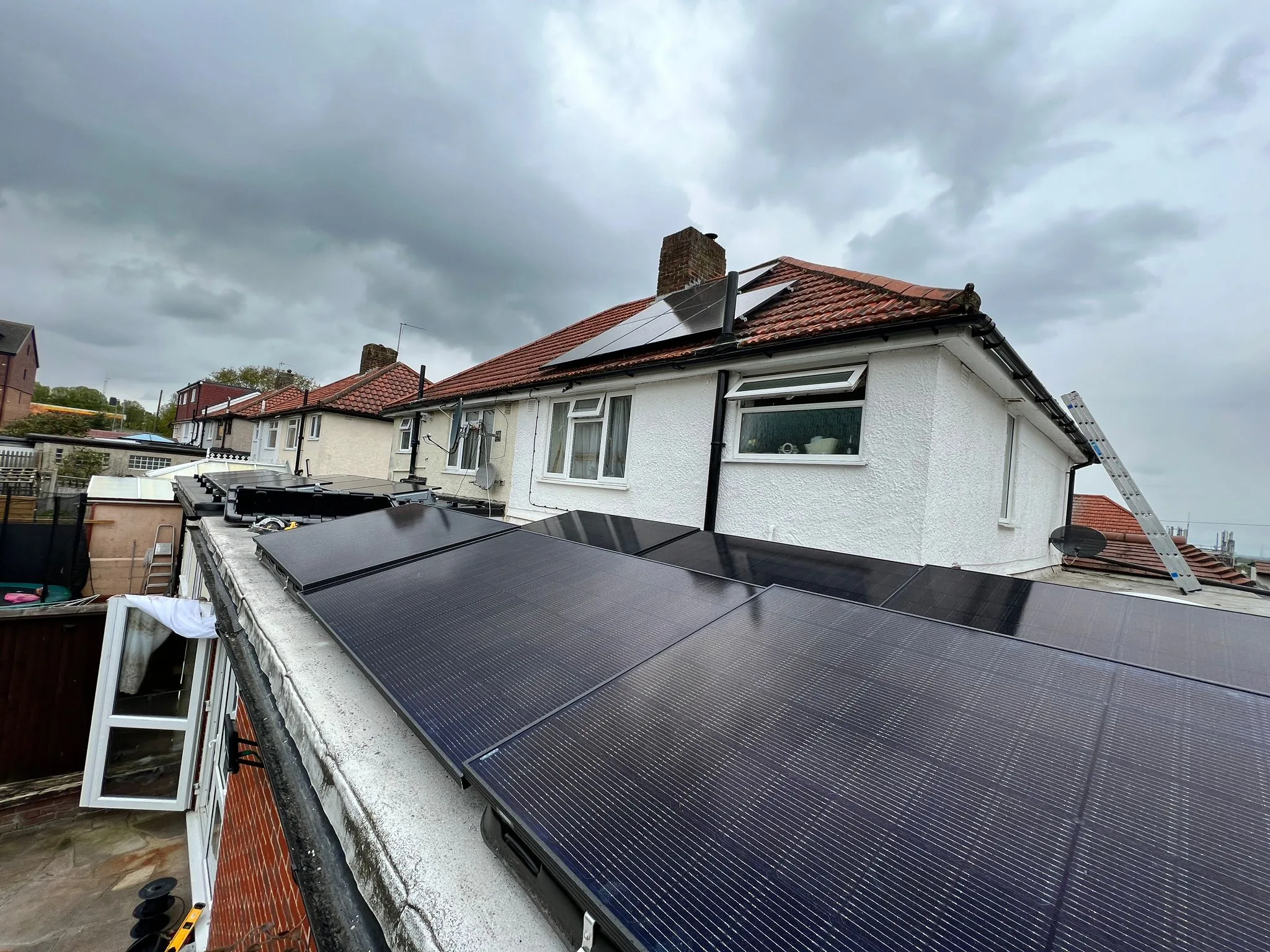
Solar panels Canterbury
From city terraces to village homes, REST designs Canterbury solar systems around roof character, planning sensitivity, shading and the way electricity is used.
A Canterbury-specific solar design
Canterbury has a distinctive mix of historic streets, conservation areas, student accommodation, post-war estates and surrounding villages. Roof materials, visibility, ownership and access can matter as much as panel count.
A Canterbury design should respect the building while still giving the household a clear, evidence-based energy proposal. REST combines those local considerations with electricity use, tariff, battery interest and future plans before the equipment is specified.
Reviewed by the REST UK solar design team. Final generation, savings, equipment and installation scope depend on the completed survey, electricity usage, tariff, roof condition and approved design.
What REST checks first
A useful proposal needs more than a postcode and an estimated panel count.
City-centre terraces, student conversions and village homes around Canterbury each need a different approach to panel layout.
Narrow historic streets and mature trees near the Cathedral precinct can shade some roofs more than others nearby.
Scaffolding and equipment routes are planned around conservation-area restrictions common across central Canterbury.
Student lets, family homes and surrounding village properties all have different daytime and evening demand patterns.
Listed status and roof visibility matter across much of central Canterbury and should be confirmed before design starts.
Solar for different Canterbury homes
The same package should not be copied from one roof to another.
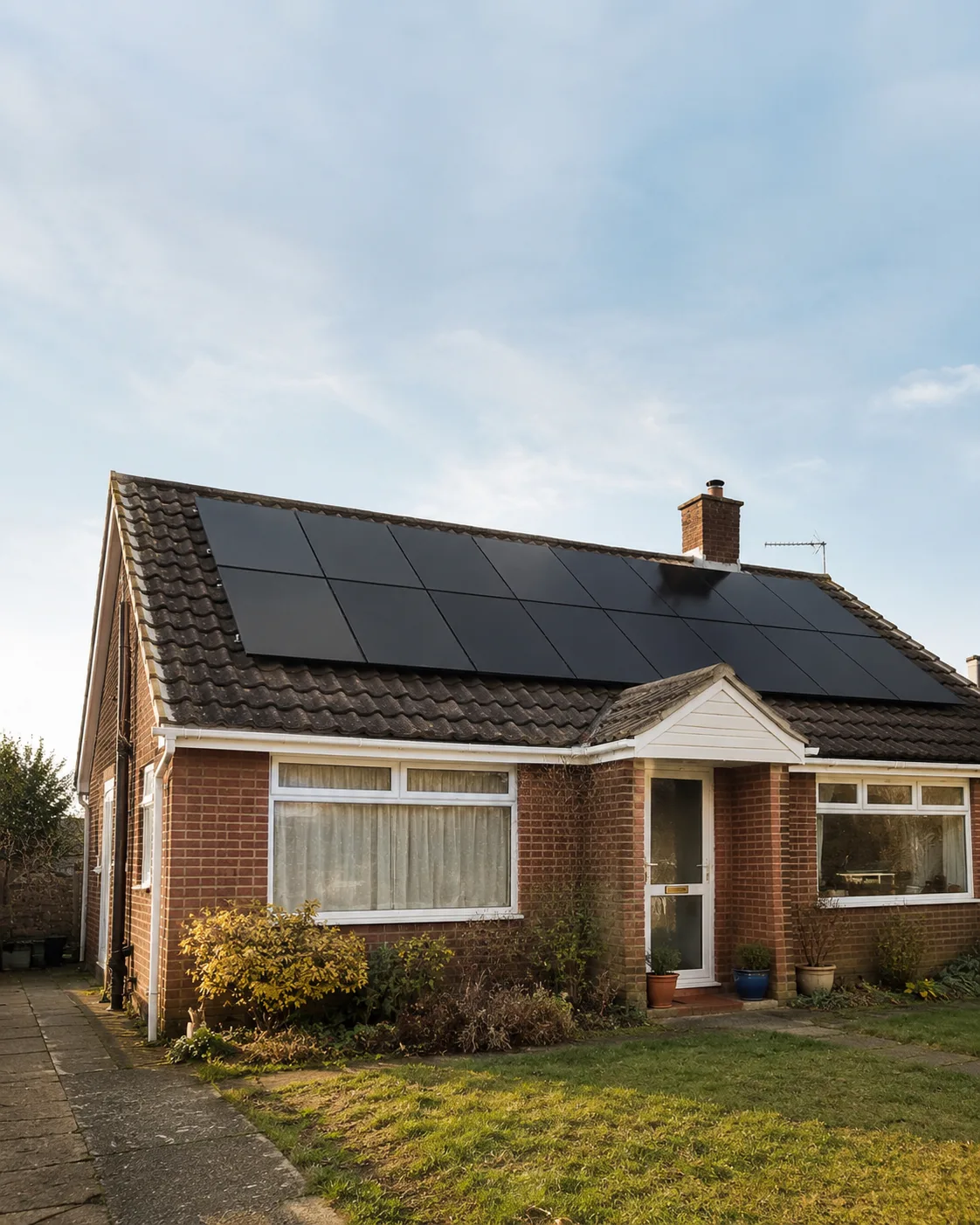
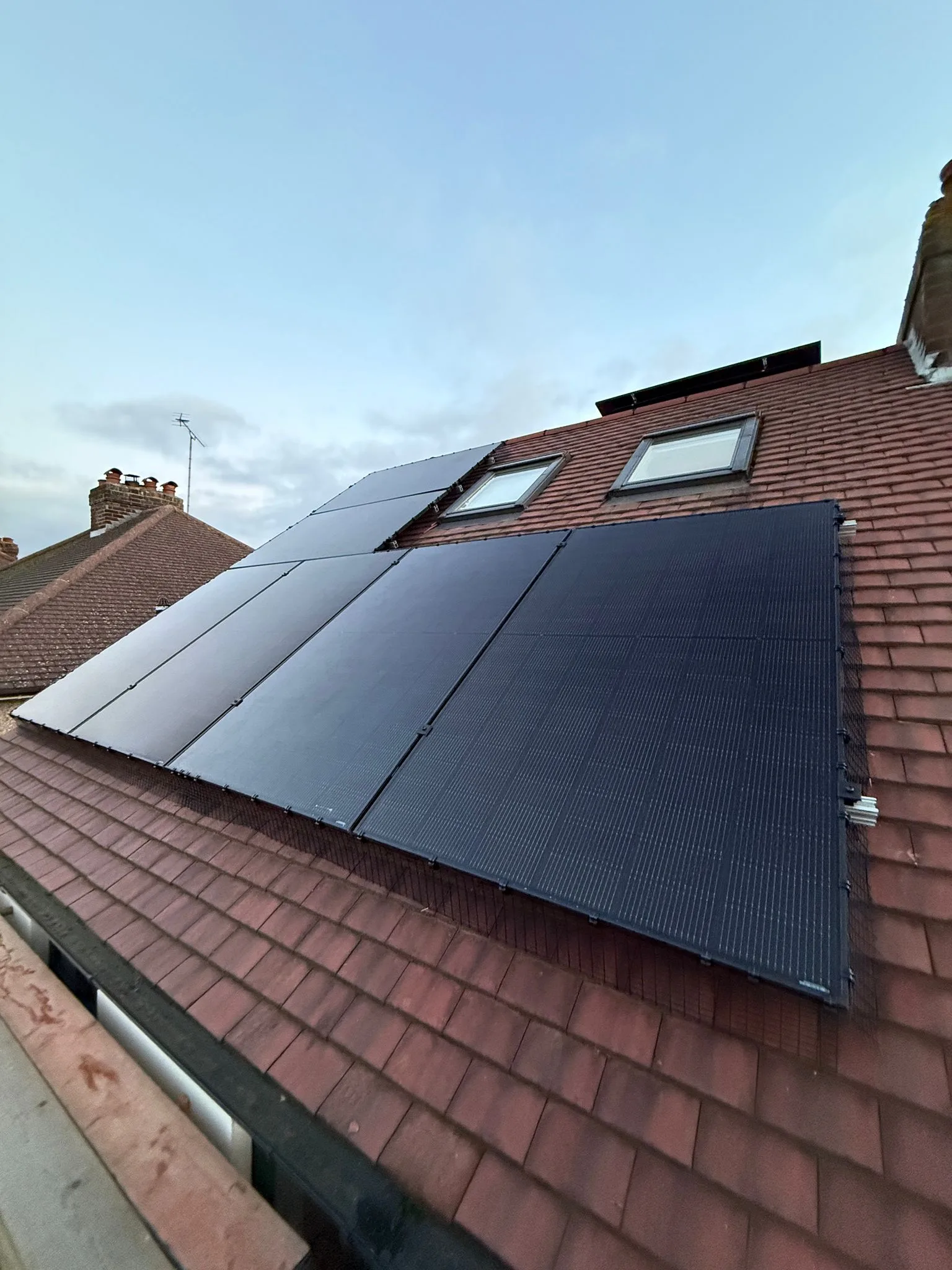
Chimney stacks, dormers and shared roof lines across Canterbury's older streets affect the usable array.
Larger roofs on the edge of the city and surrounding villages allow for bigger arrays and future battery or EV plans.
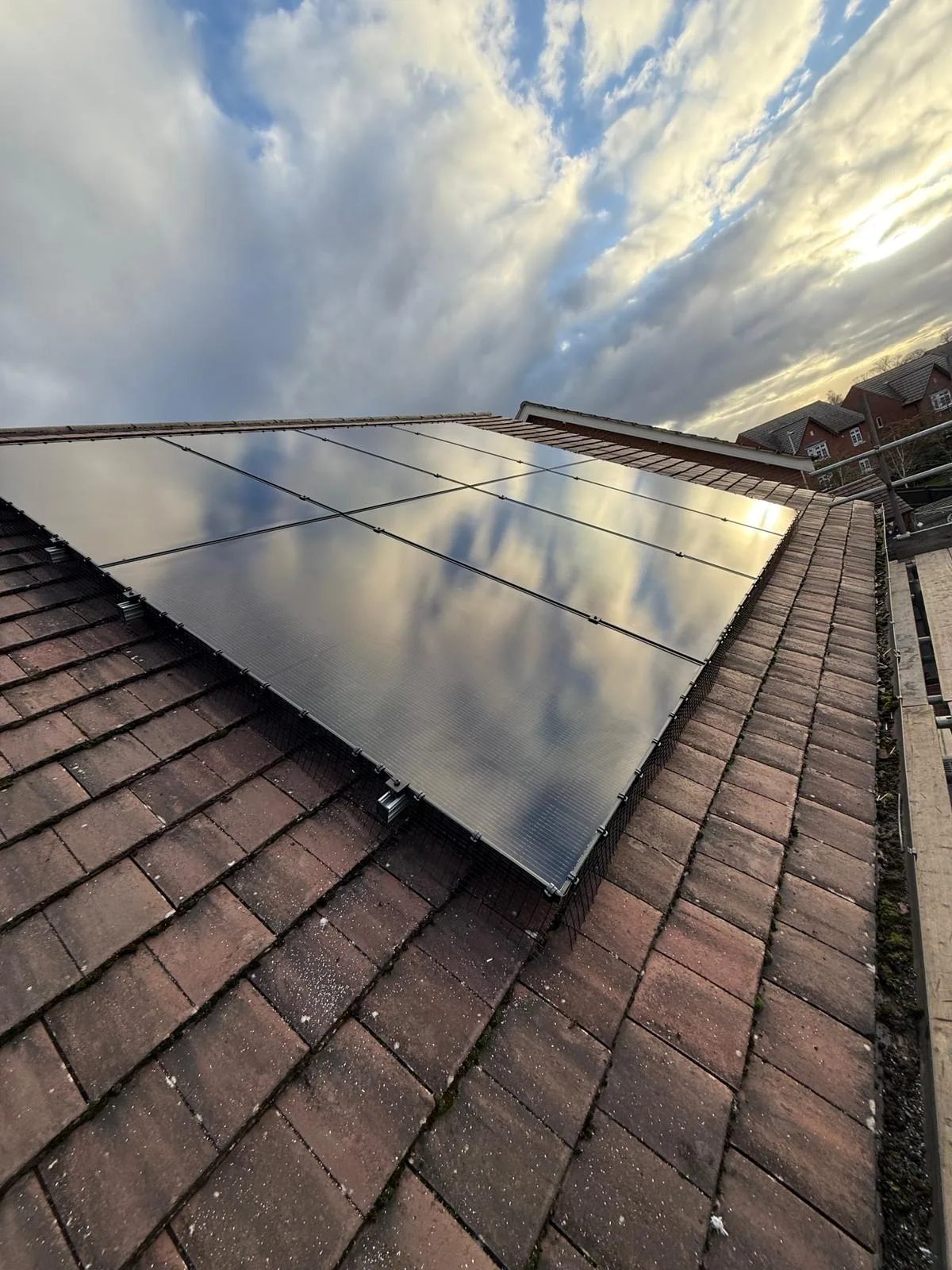
Roof ownership and who benefits from the generation need to be clear before a shared building is assessed.
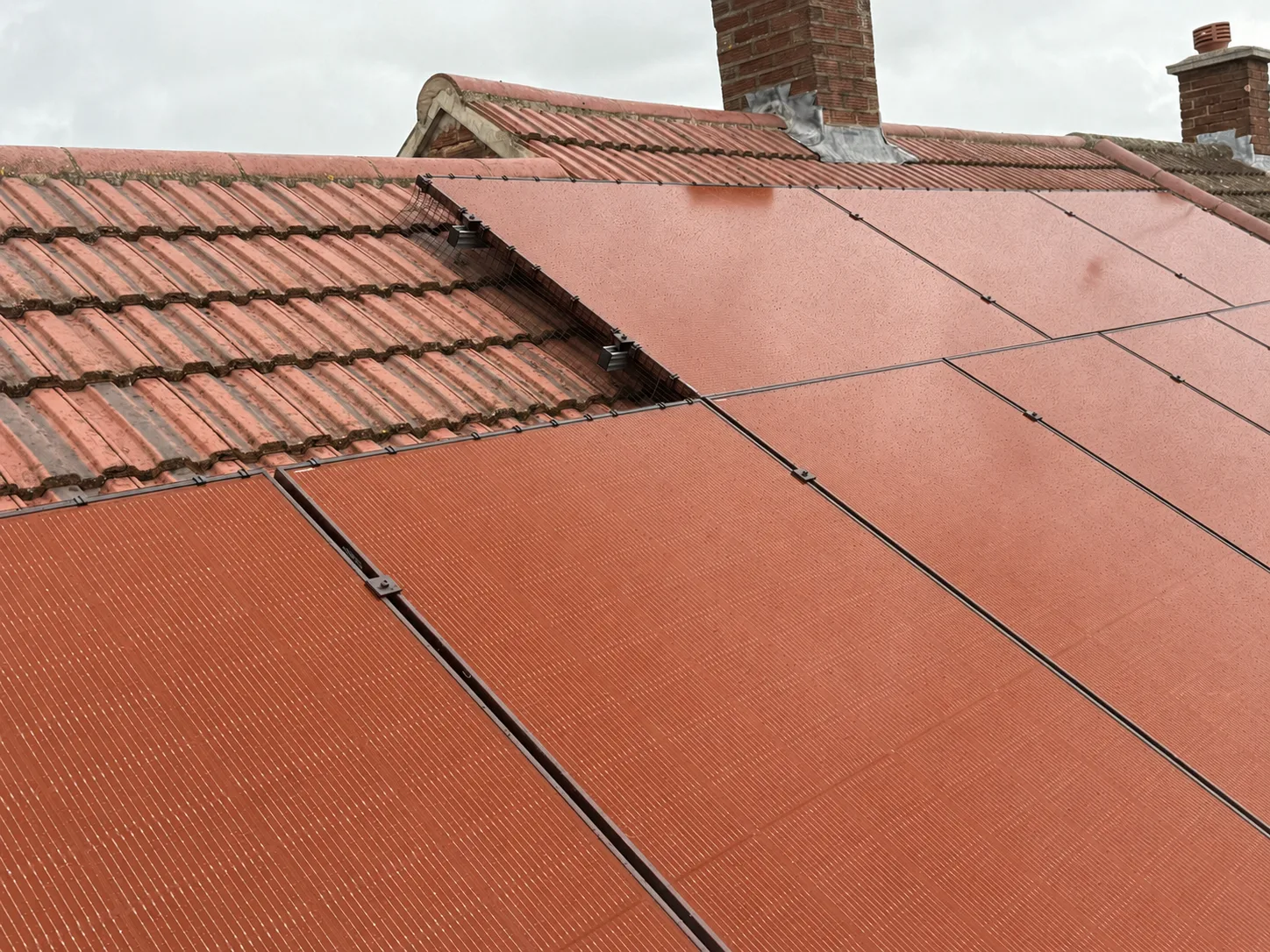
Canterbury's extensive conservation areas mean roof materials and visibility are checked early in the design.
Solar and battery storage in Canterbury
A compatible home battery can retain spare solar generation for the evening and may support time-of-use tariffs. The useful capacity depends on realistic generation, household demand, tariff and future plans.
From postcode to installation
Tell REST where the property sits - city centre, student let or surrounding village - and what you want to achieve.
Roof space, shade from the Cathedral precinct's mature trees, access and electricity demand are assessed together.
The proposal sets out the array, inverter, optional battery, conservation-area assumptions and protection.
The system is fitted, tested, commissioned and handed over with its documentation.
REST can support monitoring, warranties, health checks and optional aftercare.
Canterbury and East Kent coverage
REST reviews residential projects throughout the area, subject to survey requirements, access and installation availability.
Check your propertyCentral Canterbury, St Dunstan’s, Wincheap, Hales Place, Sturry Road and surrounding neighbourhoods.
Whitstable, Tankerton, Herne Bay, Beltinge and nearby coastal communities.
Bridge, Bekesbourne, Littlebourne, Patrixbourne, Barham and Elham.
Sturry, Fordwich, Blean, Rough Common, Chartham and the wider Canterbury district.
Planning and property checks
Understand the roof before committing to the installation.Planning and property checks in Canterbury
Canterbury contains extensive conservation areas and many listed or heritage-sensitive buildings. Roof visibility, materials and local planning guidance should be checked early.
REST can identify the questions that need answering, but the local planning authority remains the correct source for a formal planning decision.
Read the official Planning Portal guidanceSolar panels Canterbury: questions answered
Common questions about roof suitability, planning, batteries and how REST prepares a property-specific proposal.
Sometimes, but the roof position, visibility and property status need careful review. A conservation area does not create one universal answer.
Potentially. Roof condition, covering, structure and safe fixing points should be assessed before equipment is specified.
Yes, subject to survey availability and the practical requirements of the property.
Yes. Panels generate electricity from daylight, not only direct sunshine. Canterbury's narrow historic streets can add partial shade, so final output depends on the specific roof and design.
No. East-facing, west-facing and split-roof arrays can also suit Canterbury's terraces and village homes, when the design reflects the household's demand pattern.
Yes. A compatible battery suits Canterbury's mix of student lets, family homes and village properties - sized to realistic generation and demand rather than a standard figure.
Many domestic installations may fall within permitted development rules, but Canterbury's extensive conservation areas and listed buildings are checked closely before design starts.
REST starts with the property, roof and electricity usage, then reviews Canterbury's conservation status, shading and access before confirming the proposal.
Request a Canterbury solar assessment
Share the basic details below. REST can review the location, electricity use and likely system options before discussing the next step.