
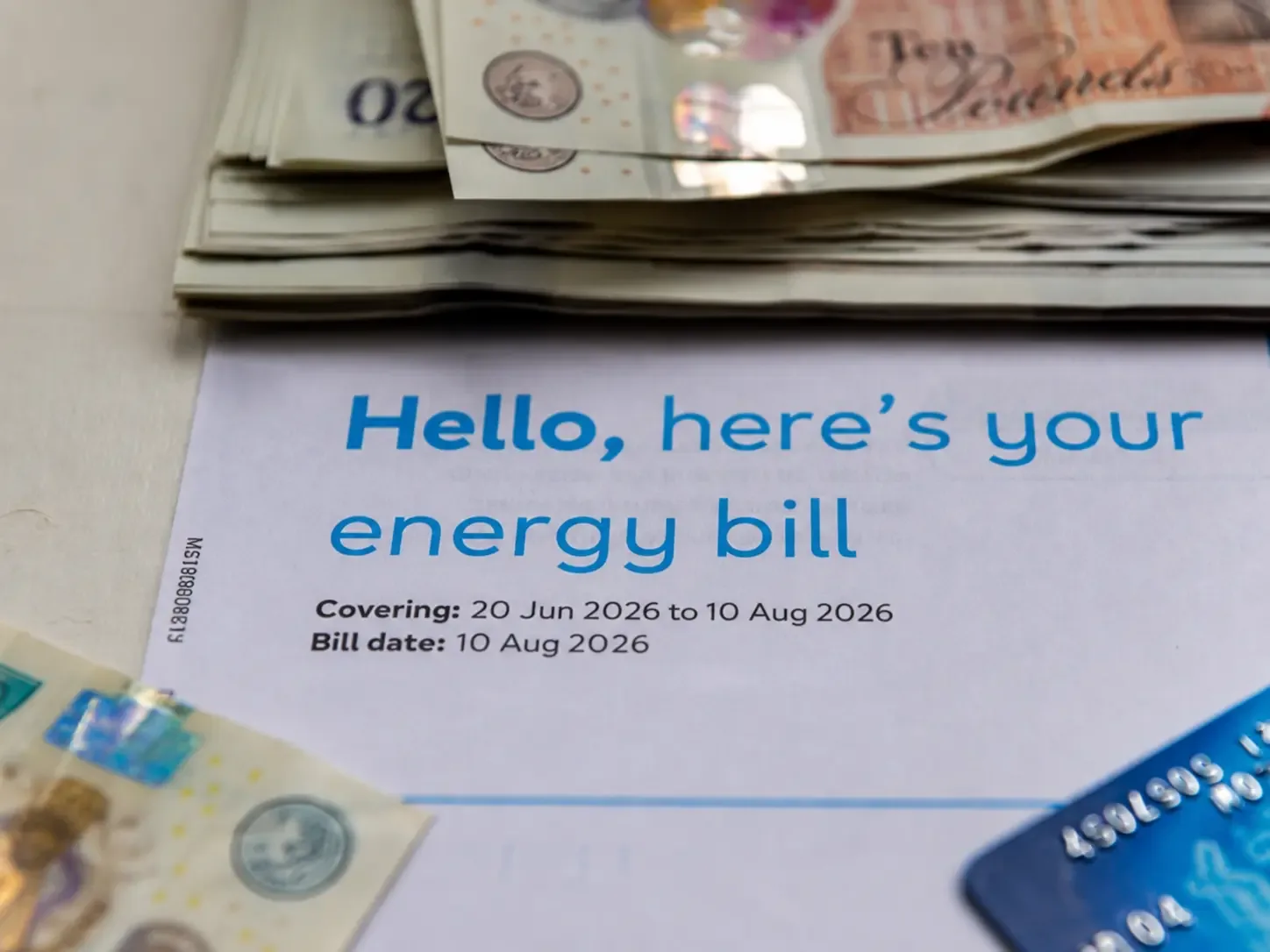
Ofgem has announced the energy price cap will rise from 1 October 2026. Here's how that 4 percent increase affects household bills, what it means specifically for people with solar panels and batteries, and practical steps to reduce exposure to higher retail prices. (ofgem.gov.uk)
How large is the October 2026 change and why it matters
Ofgem confirmed the cap will rise by 4 percent for the period 1 October to 31 December 2026, which the regulator says equates to roughly an extra £60 a year for a typical household if the level held for a full year. This rise reflects continued high international gas prices and other cost pressures on suppliers. (ofgem.gov.uk)
What the price cap change means for solar PV owners
The energy price cap applies to standard default tariffs and sets the maximum unit rates and standing charges many households pay. When wholesale and retail prices rise, the value of self-generated solar electricity increases, because every kWh you use instead of buying from the grid avoids paying the higher unit rate. Solar production becomes relatively more valuable to owners as a result, although Ofgem's cap does not change export payments under the Smart Export Guarantee. (ofgem.gov.uk)
Daily use vs export
Using solar electricity in the home reduces the amount purchased at the higher capped rate. Exporting surplus generation remains a smaller income stream under current export schemes, but it still contributes. For customers who want to capture more of their generation for home use, system and behaviour changes can help, alongside in-home technologies that shift consumption to when panels produce most. Our inverters and smart tech integrate with solar arrays to do this automatically.
What the rise means for battery-storage customers
Batteries let households store excess solar or cheaper off-peak electricity to use later. With the price cap higher, the benefit of displacing grid purchases with stored electricity typically increases, because each kWh discharged from your battery avoids the higher capped purchase price. The precise value depends on your usage pattern, tariff type and whether you can access time-of-use pricing, and Citizens Advice highlights that tariff choice and meter type affect how much customers save. (citizensadvice.org.uk)
How we size batteries for price-cap changes
Battery systems are sized to match household consumption and generation patterns rather than promising fixed payback times, aiming to maximise the proportion of on-site generation used in the home while preserving safety and longevity. See our home battery storage page for typical system types and how sizing and integration are approached.
Short-term actions homeowners can take
Check whether you are on a default tariff or fixed deal and note any upcoming changes to unit rates. Citizens Advice can help explain tariff notices and supplier communications. (citizensadvice.org.uk)
Shift discretionary electricity use to daytime solar production where possible, or to cheap off-peak periods if you have a time-of-use tariff. Energy Saving Trust has practical tips for home energy savings that still apply after a price-cap rise. (energysavingtrust.org.uk)
Consider adding battery storage or adjusting an existing system to increase self-consumption if your roof and meter setup suit it. Batteries, solar and EV charging can be installed and configured together as a combined home-energy system. Learn how our complete energy package can combine those elements.
What to watch in the medium term
Ofgem updates the price cap every three months and publishes unit rates and standing charges on its site. If wholesale prices move substantially, future caps could change again. The House of Commons Library and Energy Saving Trust both note that energy efficiency and demand flexibility are the most durable ways households reduce exposure to price volatility. (ofgem.gov.uk)
How we help customers respond
We assess each property's solar generation potential, typical consumption and meter or tariff setup before recommending panels, batteries and smart controls. As an MCS-certified, HIES-protected installer, we never promise guaranteed savings or fixed payback periods, because outcomes vary by household and tariff. For exact finance options and terms, our finance team and flexible solar finance details are the source to consult, rather than headline rates.
Final practical checklist
Confirm your tariff type and the exact changes your supplier will make from 1 October 2026. (citizensadvice.org.uk)
Maximise on-site use of solar generation and consider a battery if it suits your daily profile. See our get a free quote page to start a tailored assessment.
Use smart controls and scheduling to align consumption with generation and cheaper times to buy from the grid. (energysavingtrust.org.uk)
We continue to monitor Ofgem and trusted advisory bodies for further price-cap updates, and will adjust our guidance and installer practices if policy or market conditions change. For a personalised review of how the October 2026 cap change affects your home, request a free quote and our team will provide a clear, non-technical plan.