
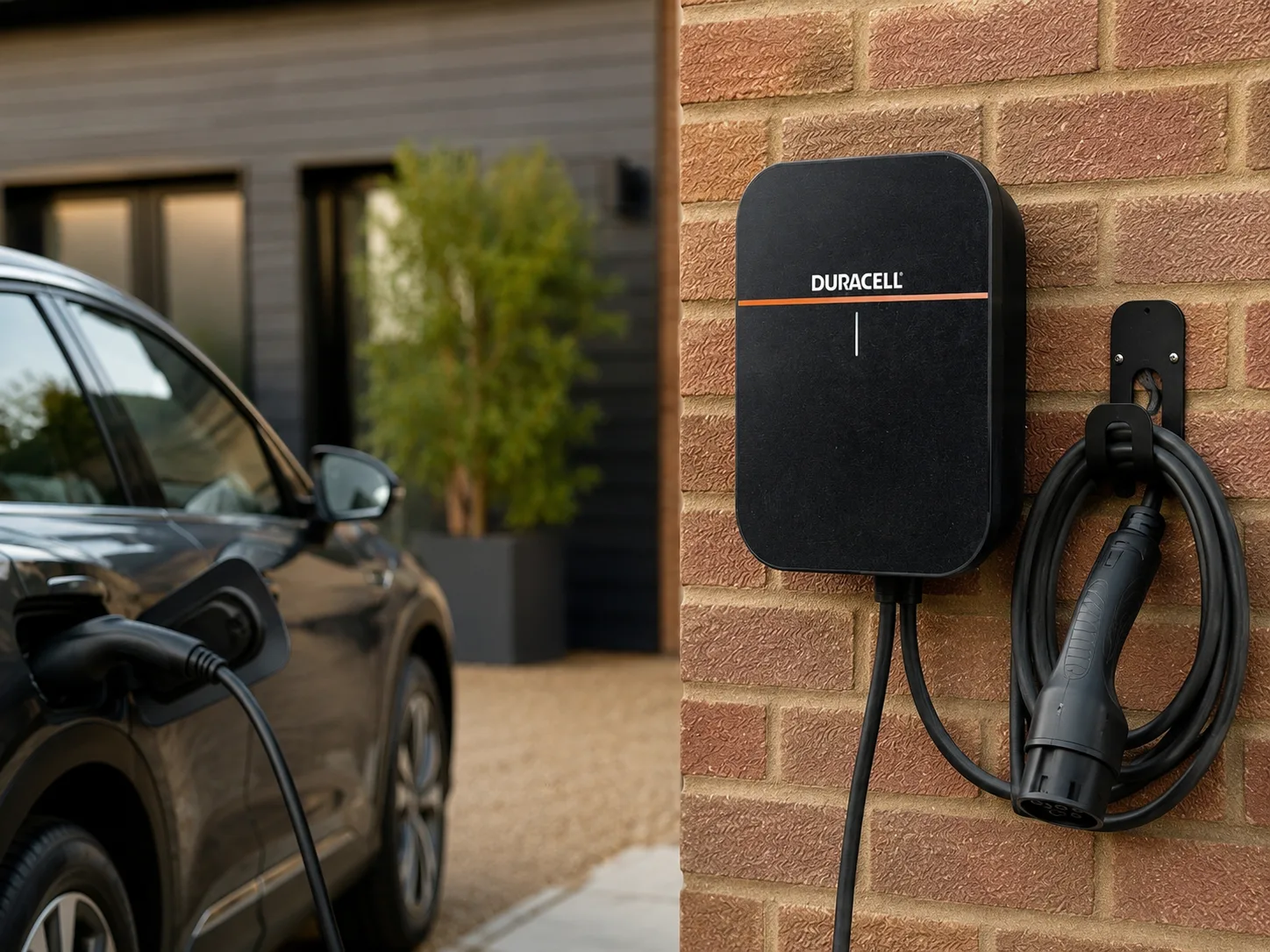
If you are thinking about EV charger installation at home the first question is whether your property is suitable and what you actually need. This guide gives a short, practical checklist so you can compare quotes with confidence and avoid common pitfalls.
Check 1: your home electricity supply and consumer unit
Most UK homes have a single phase supply that comfortably supports a 7kW or 11kW AC charger. Some properties have a three phase supply instead, which affects the type and speed of chargers available. Ask your installer to check your meter, fuse size and consumer unit (fuse board) before you buy: they should confirm whether any upgrades are needed and whether your supply requires a distribution network operator (DNO) application for higher capacity.
Check 2: the right charger power and connector
Decide what charging speed you actually need. Many owners choose a 7kW unit because it reliably recharges overnight for typical daily use. Faster 11kW or 22kW units exist, but your car's onboard charger often limits how fast it will accept AC power. Make sure the charger uses the Type 2 connector standard common across new EVs in the UK, and if you want a tethered cable fixed to the unit or an untethered socket where you use your own lead, make this preference clear to installers.
Check 3: smart features and tariffs
Smart chargers can schedule charging, respond to cheaper tariffs and reduce load when the house needs power. If you already have a time-of-use tariff, or plan to add solar panels and battery storage later, choose a charger that supports smart scheduling, load management and vehicle-to-home or vehicle-to-grid capability if those features matter to you. The Energy Saving Trust explains how smart charging can lower running costs and help integrate home generation.
Check 4: futureproofing and cabling route
Think about where you park now and where you might park in future. A neat, short cable run from the consumer unit to the chargepoint is cheaper and tidier. The UK government's residential chargepoint guidance recommends leaving space for additional chargepoints and providing a clear, unobstructed route for cabling so future upgrades are easier and less costly.
Check 5: permissions, landlord or local rules
If you live in rented accommodation, a flat or a listed building, check permissions first: leaseholders and freeholders often have specific procedures, and some councils and management companies require an application. If you are on-street or have communal parking, local authority schemes or funded options may be available. The Energy Saving Trust lists regional grant schemes, such as those in Scotland, that can reduce upfront cost for eligible households.
Check 6: installer credentials and safety
Use an installer who follows the IET code of practice and who will provide an Electrical Installation Certificate on completion. Look for firms that detail compliance with UK building regulations and relevant technical standards, and get at least two written quotes that explain the work included, hardware model, mounting position, cable runs and any consumer unit or supply upgrades.
Ask these specific questions
Will you check the consumer unit and meter before quoting?
Is the quote inclusive of any DNO or cable work and of certification on completion?
Can the charger be integrated with a smart tariff, solar panels or a battery later on?
Do you offer a written electrical safety certificate and commissioning report?
Cost and value considerations
Prices vary depending on cable run complexity, required upgrades and the charger model. Avoid choosing solely on price, since inexpensive installers may omit proper testing, certification or futureproofing. Compare what is included and ask for the full scope of works. If you later add solar panels or battery storage, compatible chargers will let you prioritise self-generated electricity. REST's home battery storage page explains how batteries can interact with vehicle charging.
How to choose and next steps
Begin by arranging a site visit so an installer can assess supply capacity and cable routing. Collect at least two comparable quotes that list equipment, labour and certification, and look for installers who explain compliance clearly and provide an Electrical Installation Certificate on completion. For more on REST's approach to EV work see our EV charging page and our MCS certification standards.
REST note: REST UK is a UK-wide, MCS-certified installer of solar, battery storage and EV chargers, HIES protected and rated 4.3/5 ("Great") on Trustpilot from more than 721 reviews. We supply site surveys, compliant installations and finance options; contact our team for a free quote and a written scope of work before you commit. This article is general guidance and not a substitute for an on-site assessment.